Is a gas dirt bike suitable for kids and teens?
Are gasoline-powered off-road motorcycles suitable for children and teenagers? This issue needs to be rigorously evaluated from three dimensions: security, controllability and development value. A 50cc gas dirt bike specially designed for teenagers usually weighs less than 60 kilograms, has an output power limited to 5 to 7 horsepower, and its maximum speed can be set at 40 kilometers per hour through the current limiter. According to the 2023 data from the U.S. Consumer Product Safety Commission, the incidence of cycling accidents among teenagers can be reduced by 65% if they wear full protective equipment (including DoT-certified helmets and armor) and receive at least 10 hours of professional training. Parents should give priority to choosing models equipped with throttle limiters and emergency stop switches. Such safety features can reduce the probability of unexpected acceleration from 12% to less than 3%.
From an economic perspective, the purchase cost of an entry-level gasoline-powered off-road motorcycle is approximately 4,000 to 80,000 yuan, and the average annual maintenance cost accounts for about 15% of the vehicle price. Take the Yamaha PW50 as an example. Its single maintenance cycle can reach 100 operating hours, and the oil replacement capacity is only 0.6 liters. Compared with the battery replacement cost of 3,000 yuan every 2 to 3 years for electric vehicles, the long-term cost advantage is obvious. However, it should be noted that the fuel mixture ratio for two-stroke engines should be an exact ratio of 25:1 to 40:1. If the error exceeds 10%, it may lead to a 30% increase in the maintenance rate. Industry data shows that the service life of gasoline locomotives maintained in a standardized manner can reach 8 to 10 years, and the residual value rate of second-hand circulation remains at around 45%.
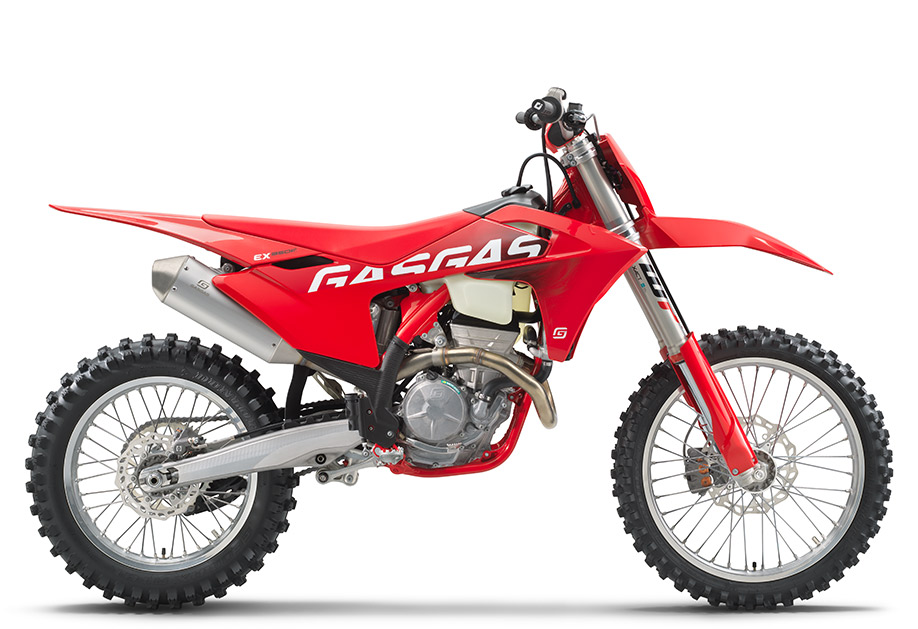 In terms of skill development, the mechanical interaction provided by gas dirt bike has irreplaceable educational value. Teenagers can significantly enhance their understanding of mechanical principles through practices such as adjusting the carburetor mixture ratio (air-fuel ratio range: 12:1 to 15:1) and cleaning the air filter (maintenance frequency every 20 hours). According to a survey by the International Motorsport Federation, teenagers who systematically participate in vehicle maintenance have seen their spatial imagination test scores increase by 22% and their troubleshooting response speed improve by 40%. This kind of practical education can also cultivate risk management awareness. 78% of parents reported that their children's ability to predict dangers improved significantly after cycling for six months.
However, environmental compatibility remains an important consideration factor. The current Euro V emission standards require that the hydrocarbon emissions of motorcycles be less than 1.0g/km, but the particulate matter emissions of two-stroke gasoline engines are still 1.5 times that of four-stroke models. It is recommended to choose models equipped with catalytic converters, which can reduce the emission of harmful gases by 60%. In terms of acoustic control, vehicles that meet the noise standard of less than 94 decibels are more suitable for community use. The latest research shows that a reasonable frequency of cycling three times a week for one hour each time can not only ensure that the skill growth curve maintains a monthly growth rate of 12%, but also keep the environmental impact within an acceptable range. As the 2024 Youth Power Sports White Paper points out, a scientifically managed gasoline-powered cycling experience can help teenagers build mechanical literacy and risk management skills that will benefit them for life in a controllable risk environment.
In terms of skill development, the mechanical interaction provided by gas dirt bike has irreplaceable educational value. Teenagers can significantly enhance their understanding of mechanical principles through practices such as adjusting the carburetor mixture ratio (air-fuel ratio range: 12:1 to 15:1) and cleaning the air filter (maintenance frequency every 20 hours). According to a survey by the International Motorsport Federation, teenagers who systematically participate in vehicle maintenance have seen their spatial imagination test scores increase by 22% and their troubleshooting response speed improve by 40%. This kind of practical education can also cultivate risk management awareness. 78% of parents reported that their children's ability to predict dangers improved significantly after cycling for six months.
However, environmental compatibility remains an important consideration factor. The current Euro V emission standards require that the hydrocarbon emissions of motorcycles be less than 1.0g/km, but the particulate matter emissions of two-stroke gasoline engines are still 1.5 times that of four-stroke models. It is recommended to choose models equipped with catalytic converters, which can reduce the emission of harmful gases by 60%. In terms of acoustic control, vehicles that meet the noise standard of less than 94 decibels are more suitable for community use. The latest research shows that a reasonable frequency of cycling three times a week for one hour each time can not only ensure that the skill growth curve maintains a monthly growth rate of 12%, but also keep the environmental impact within an acceptable range. As the 2024 Youth Power Sports White Paper points out, a scientifically managed gasoline-powered cycling experience can help teenagers build mechanical literacy and risk management skills that will benefit them for life in a controllable risk environment.
In terms of skill development, the mechanical interaction provided by gas dirt bike has irreplaceable educational value. Teenagers can significantly enhance their understanding of mechanical principles through practices such as adjusting the carburetor mixture ratio (air-fuel ratio range: 12:1 to 15:1) and cleaning the air filter (maintenance frequency every 20 hours). According to a survey by the International Motorsport Federation, teenagers who systematically participate in vehicle maintenance have seen their spatial imagination test scores increase by 22% and their troubleshooting response speed improve by 40%. This kind of practical education can also cultivate risk management awareness. 78% of parents reported that their children's ability to predict dangers improved significantly after cycling for six months.
However, environmental compatibility remains an important consideration factor. The current Euro V emission standards require that the hydrocarbon emissions of motorcycles be less than 1.0g/km, but the particulate matter emissions of two-stroke gasoline engines are still 1.5 times that of four-stroke models. It is recommended to choose models equipped with catalytic converters, which can reduce the emission of harmful gases by 60%. In terms of acoustic control, vehicles that meet the noise standard of less than 94 decibels are more suitable for community use. The latest research shows that a reasonable frequency of cycling three times a week for one hour each time can not only ensure that the skill growth curve maintains a monthly growth rate of 12%, but also keep the environmental impact within an acceptable range. As the 2024 Youth Power Sports White Paper points out, a scientifically managed gasoline-powered cycling experience can help teenagers build mechanical literacy and risk management skills that will benefit them for life in a controllable risk environment.